Clear units
Identify a complete service kit or individual component so price, packaging and installed quantity use the same basis.

Our role
We help business buyers define wheel-end accessory requirements and compare proposed factory options.
We work independently of Huf and its dealers.
How we work
A shop record, measured interface or part label can start the brief. The buyer flags which applications are recurring and which require a fitment decision. We retain the reference alongside the neutral specifications for potential alternatives.
Ask which exact part and revision a drawing or test covers. Where the supplier substitutes a valve or changes kit contents, keep the new option separate. That gives the fitment reviewer a clear record of what changed.
Record unresolved applications, trial outcomes and purchasing assumptions alongside the comparison. That makes it easier to update the brief if a stock item or vehicle population changes later. In a mixed shop network, this may mean sending separate tool coverage questions to each bay lead before combining the quantities.
Identify a complete service kit or individual component so price, packaging and installed quantity use the same basis.
Make deviations easy to see, especially when a supplier proposes a different valve material, service tool or warranty process.
The buyer assigns the final reviewers and decides when sample results justify an order.
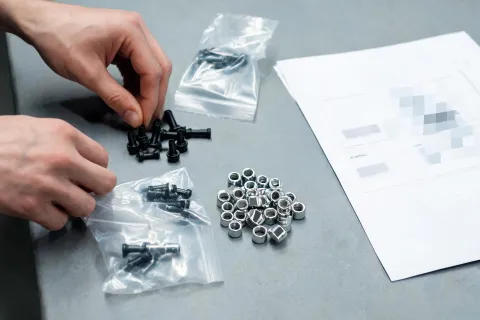
Sets order scope, budget basis, destination and acceptance criteria.
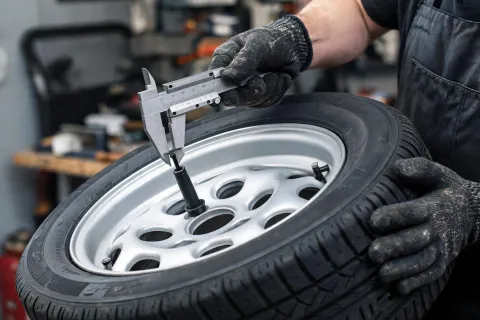
Checks the installation interface and validates the proposed application at the vehicle.
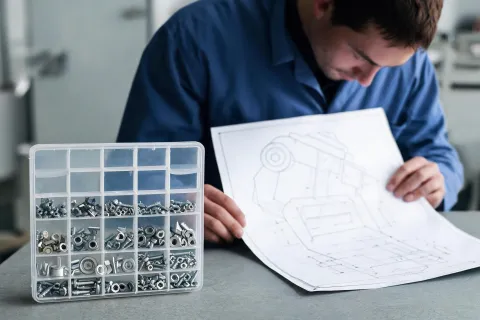
Identifies the part, plant and revision and confirms included hardware and commercial terms.
Tell us what you already know about the vehicle and hardware. We can use that to identify the questions suppliers still need to answer.
Share Fitment RequirementsFor business buyers
Eligible first orders may receive up to 3%.
Eligibility applies to qualified business buyers and is confirmed after we review your product, quantity, destination, and sourcing requirements.